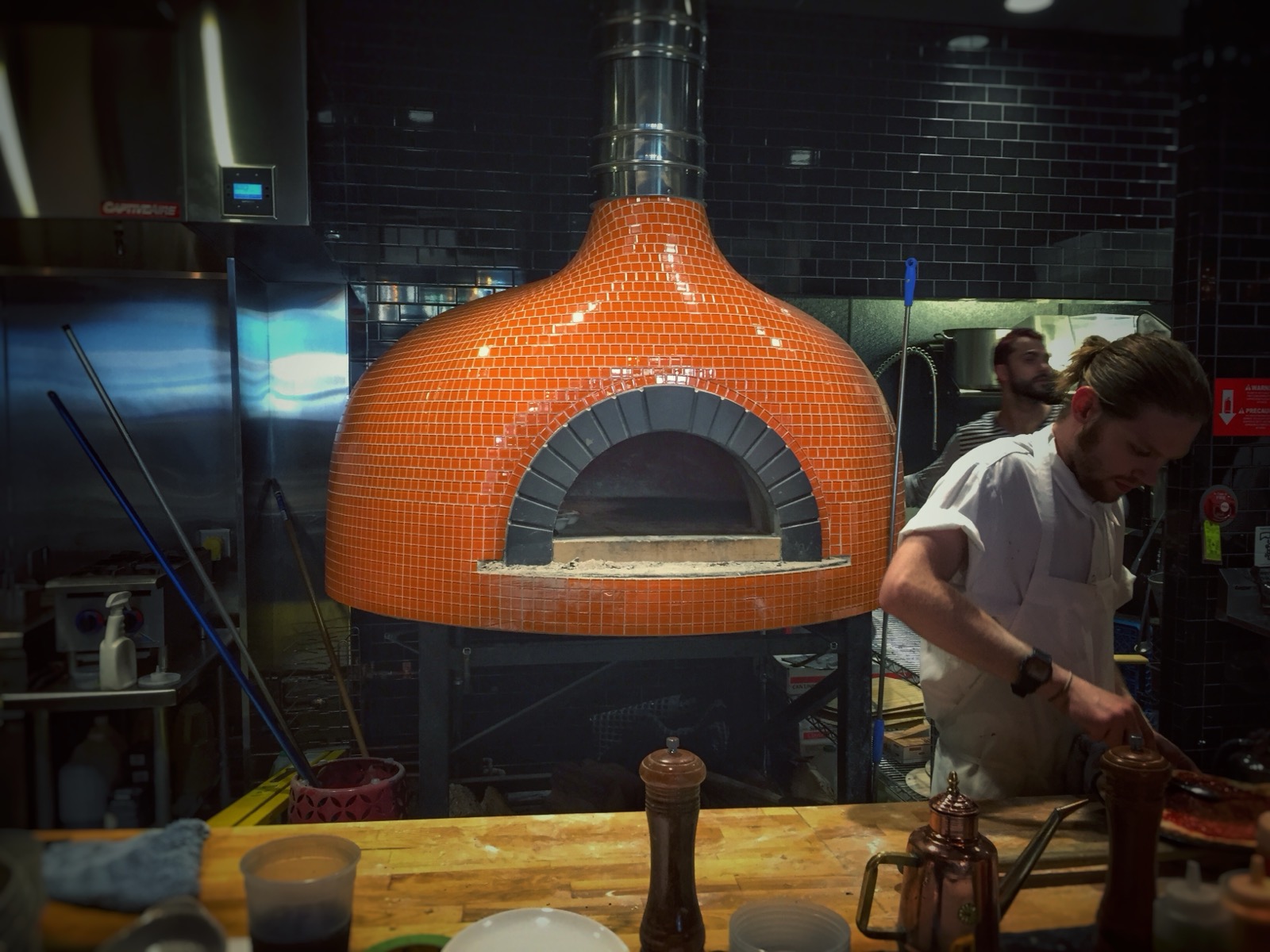
A pizza menu describes flavors, but the finished food is governed by physics. Dough contains water and a network that traps gas. Heat expands those gases, sets the structure, evaporates water and browns exposed surfaces. Sauce and toppings bring more moisture. Cheese melts and releases fat. The pan or baking deck transfers heat from below. Then the box creates a warm, humid microclimate that begins undoing crispness. Understanding that sequence turns vague preferences into useful ordering choices.
Dough: structure before flavor
Basic pizza dough combines flour, water, yeast or another leavening approach, salt and sometimes oil or sugar. Mixing and resting allow proteins to form an elastic network. Fermentation produces gas and flavor compounds. Time, temperature and ingredient ratios determine whether the dough stretches easily, bakes with an open crumb or remains tight.
A thin style spreads a portion of dough over a larger area. It relies on sufficient strength to hold toppings without becoming tough. A pan style uses boundaries and proofing to build height. Deep dish uses dough partly as a container. These are different engineering targets, so “more airy” or “more chewy” is not universally better.
Heat must reach both top and bottom
The top of a pizza receives hot air and radiant energy; the bottom receives intense contact heat from a deck, stone, steel or pan. If the upper toppings finish before the base, the crust may remain pale or gummy. If the bottom receives too much heat, it burns before the interior sets. Restaurants match dough, thickness, oven and bake time as a system.
Wood fire can provide high heat and aromatic combustion, but the label alone is not a quality guarantee. Gas and electric ovens can be carefully controlled. Conveyor ovens provide repeatability for high-volume service. Judge the observable result: a baked-through center, appropriate browning and the texture promised by the style.
Moisture is both ingredient and adversary
Water makes dough possible and sauce appealing, yet excess surface moisture compromises structure. Fresh vegetables, certain cheeses and generous sauce all release water as they heat. A skilled kitchen manages portion, preparation and placement. Customers can help by avoiding an indiscriminate pile of wet toppings on a thin base.
Topping order matters because it controls exposure. Cheese above sauce shields moisture differently from sauce applied over cheese. Pepperoni at the top can cup and crisp; beneath cheese it stays softer. There is no single correct sequence across all styles, but every sequence has consequences.
Cheese performs several jobs
Cheese provides flavor, browning, fat and a binding layer. Low-moisture mozzarella behaves differently from fresh mozzarella. Blends can add sharpness, stretch or color. At the edge of Detroit-style pizza, cheese becomes part of the crust through direct pan contact. In deep dish, cheese may sit beneath tomato to survive the longer bake.
Extra cheese changes more than abundance. It adds weight and fat, insulates the sauce and can delay moisture escape. If the crust is the priority, the standard cheese portion may reveal it more clearly. For allergies or dietary requirements, use current restaurant information; visual inspection cannot establish ingredients or cross-contact.
The box is a compromise
Cardboard is light, stackable and somewhat breathable, but a closed box still traps considerable vapor. The hotter and wetter the pizza, the more moisture enters the enclosed air. That vapor condenses as surfaces cool, softening the bottom and rim. Vents help, but they also release heat. Packaging design balances two competing goals.
Minimize box time rather than searching for a trick that eliminates it. Choose a nearby restaurant, arrive near the pickup time and drive directly. For delivery, be ready for handoff. Once home, transfer slices to plates or a rack if they will not be eaten immediately. Never heat a pizza in its delivery box unless the packaging explicitly states that the intended use is safe; inks, adhesives and coatings may not be oven-ready.
Reheating is a heat-distribution problem
A microwave excites water quickly, making it convenient but usually softening crust. A skillet can return contact heat to the base; covering briefly can help warm the top, then uncovering allows moisture to escape. An oven warms multiple slices more evenly. Exact time depends on slice thickness, refrigerator temperature and equipment, so monitor rather than applying a universal minute count.
Food safety overrides texture. Refrigerate leftovers promptly, keep them covered and follow current USDA advice for storage duration and reheating temperature. Pizza that has remained in the temperature danger zone too long may be unsafe even if reheated. Our official links page points to government resources.
Turn mechanics into an order
- Pick the texture: thin and pliant, crisp and airy-edged, deep and layered, or thick and pan-baked.
- Choose toppings whose moisture and weight fit that base.
- Use distance and fulfillment to protect the intended crust.
- Serve promptly, then store leftovers safely.
Pizza remains joyful precisely because many systems can work. The goal is not a single ideal pie. It is to understand what the maker intended and choose an order path that gives that structure a fair chance to reach your table.